


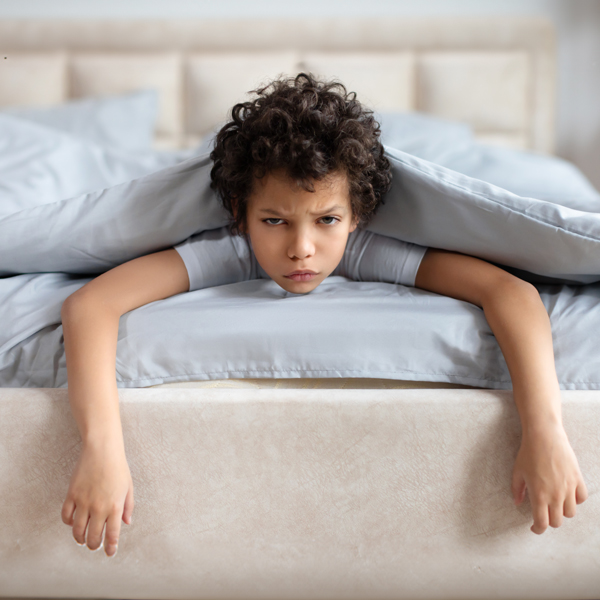
When your child’s behaviour changes or worsens, it’s natural to look for explanations. Could sleep apnoea be the cause? Sleep apnoea is a medical condition affecting sleep quality and significantly impacting children’s behaviour. This condition affects 3% of Australian children.
Sleep Apnoea and Behavioural Changes
While adults with sleep apnoea often feel tired and forgetful, children react differently. Kids with sleep apnoea may become hyperactive or exhibit behavioural problems, such as increased irritability or difficulty concentrating. These changes can sometimes be misinterpreted as Attention Deficit Hyperactivity Disorder (ADHD) or other behavioural issues.
In a recent ABC documentary on ADHD, one child featured in the series was removed after a sleep study revealed that sleep apnoea was actually the underlying cause of their behavioural difficulties.
Signs of Sleep Apnoea in Children
Recognising the signs of sleep apnoea early is essential to address potential behaviour changes. Some key indicators include:
- Tilting the head and neck back: This is the number 1 symptom for sleep apnoea. Children do this to stretch open their airway and increase airflow.
- Snoring: Persistent or loud snoring is often a sign of disrupted sleep caused by sleep apnoea. Yet 1/3rd of kids with sleep apnoea do NOT snore.
- Restless sleep could be a symptom if your child tosses and turns frequently at night.
- Unrefreshed by sleep: Children with sleep apnoea often feel unrefreshed or fatigued even after a night’s sleep.
- Sweating into the hair
- Bedwetting
If you notice any of these symptoms in your child, it’s worth considering whether their behaviour changes are linked to sleep apnoea.
Why a Sleep Study Matters
Bad behaviour and tantrums could have a medical explanation, such as sleep apnoea. Ignoring these signs may lead to ongoing frustration for you and your child. A sleep study is the most effective way to diagnose sleep apnoea and understand how it may affect your child’s behaviour and overall health.
Consider performing a sleep study to get a clear picture of your child’s sleep patterns. You can also seek advice from an ENT surgeon, such as Dr. Gillian Dunlop, who specialises in diagnosing and treating sleep-related disorders in children. For more detailed information on sleep apnoea in children, visit our dedicated website at Kids Sleep Apnoea, where you’ll find comprehensive guidance on symptoms, diagnosis, and treatment options.
Frequently Asked Questions (FAQs) About Kids and Sleep Apnoea
Common signs of sleep apnoea in children include loud snoring, restless sleep, and difficulty staying awake or alert during the day. Consider scheduling a sleep study to confirm a diagnosis if your child exhibits these symptoms. Alternatively, you can show Dr Dunlop 2 x10 second videos of your child sleeping.
Sleep apnoea in children is often caused by enlarged tonsils or adenoids, which can obstruct the airway during sleep. Other factors, such as obesity or nasal issues, can also contribute to sleep apnoea.
Yes, sleep apnoea can lead to behavioural issues such as hyperactivity, irritability, and difficulty concentrating. These symptoms can sometimes be mistaken for ADHD or other behavioural disorders.
A sleep study is the most effective way to diagnose sleep apnoea. During the study, your child’s sleep patterns, breathing, and oxygen levels are monitored to determine if apnoea is present. Alternatively, you can show Dr Dunlop 2 x10 second videos of your child sleeping.
For children, treatment involves removing the tonsils or adenoids if they obstruct the airway. Adults use a CPAP machine to assist with breathing during sleep but kids are unlikely to tolerate this. Consulting with an ENT specialist is recommended to determine the best course of action.



